How Should a Base Layer Fit?
Ivy Hughes
8 November 2026
Summary
A base layer should fit close to your skin without feeling tight or restricting your movement. This fit helps the fabric manage moisture effectively while creating a comfortable foundation for the rest of your clothing layers. The United States Antarctic Program's 2024 field manual recommends a snug-fitting first layer to help move moisture away from the skin and support warmth in cold conditions. [1] The ideal fit depends on your activity, the fabric and whether you plan to wear the base layer on its own or underneath other garments.
Choosing the right base layer is about more than finding a comfortable fabric or selecting the right amount of warmth. A good fit helps the garment perform as intended while making it easier to move comfortably throughout the day.
Should a Base Layer Fit Tight or Loose?
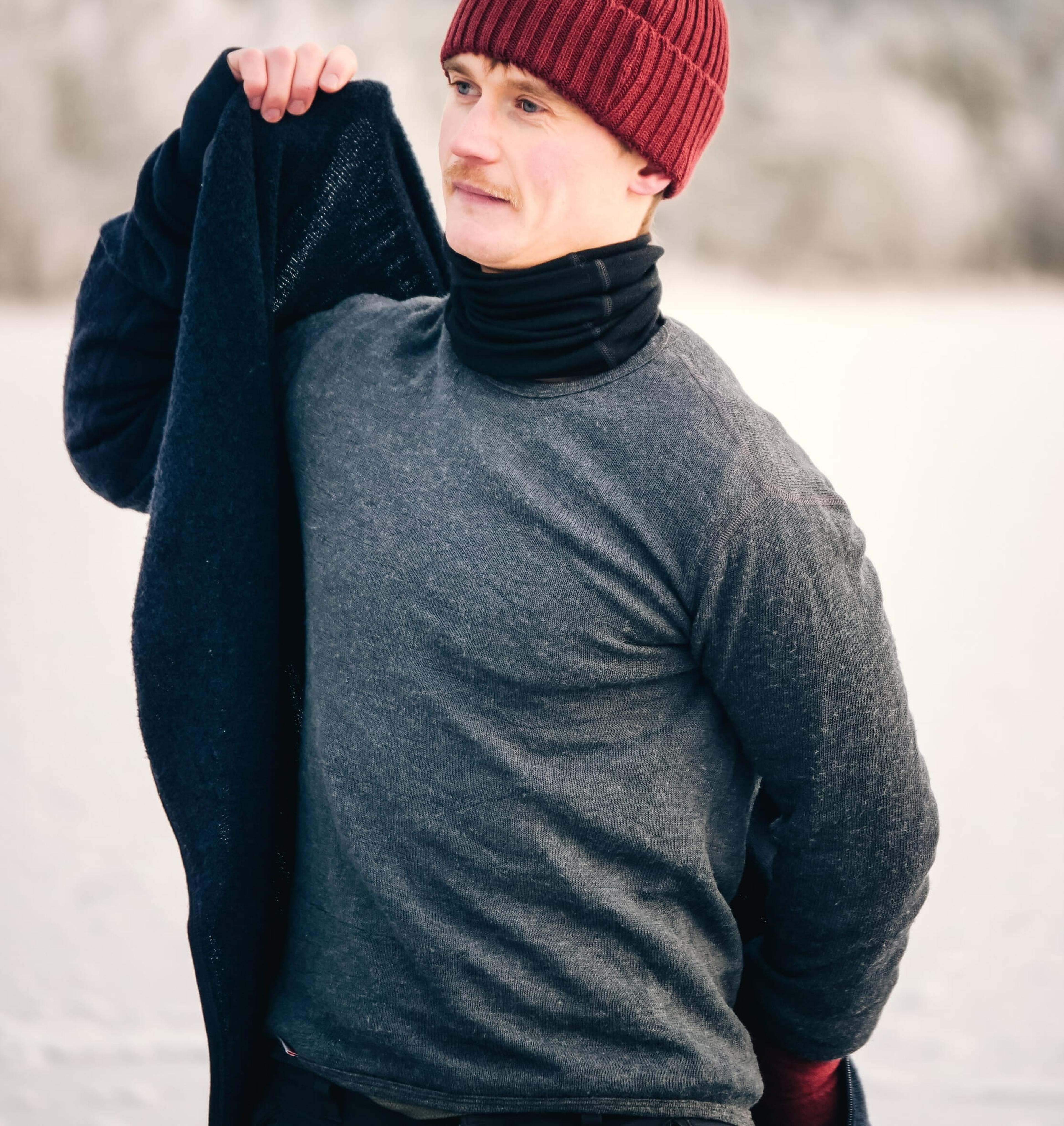
A base layer should fit snugly against your body without squeezing, pinching, or restricting movement. Because it is designed to sit closest to your skin, a comfortable close fit helps the fabric manage moisture while reducing excess material that could bunch beneath other layers.
However, a base layer should not feel like compression clothing unless it is specifically designed for that purpose. A garment that is too tight can pull across the shoulders, restrict your range of motion or cause discomfort around the waist and cuffs. The goal is a close fit that follows your body's shape without creating pressure points.
When trying on a base layer, check for these signs of a good fit:
The fabric sits close to your skin without digging in.
You can raise your arms and bend comfortably.
The shoulders and chest do not feel restricted.
The sleeves and torso stay in place as you move.
The fabric does not bunch excessively beneath other clothing.
How Should a Base Layer Fit Under Other Clothes?
A base layer should fit smoothly beneath your other garments without creating unnecessary bulk or restricting movement. Since it forms the foundation of a layering system, the way it fits can affect the comfort of your entire outfit.
The United States Antarctic Program's 2024 field manual describes base layers as the first layer against the skin, followed by insulating layers and outer shells that serve different purposes. [1] A base layer that fits comfortably can make it easier to add a mid layer for warmth and an outer layer for protection from wind or precipitation.
Try on your base layer with the clothing you expect to wear over it. Reach forward, bend down and put on your jacket to check whether the sleeves ride up, the torso bunches, or the fabric creates uncomfortable pressure. If your outer layers feel restrictive even though they fit correctly on their own, your base layer may be too bulky or too large.
How Should a Base Layer Fit in Different Areas of the Body?
A properly fitting base layer should sit close to the body through the torso, shoulders, arms and legs while allowing comfortable movement in every area. Small fit problems can become more noticeable during long periods of walking, hiking, or other physical activity.
For a base layer top, check that the shoulders sit naturally and the sleeves reach your wrists without pulling when you extend your arms. The torso should provide enough coverage when you bend or reach overhead. For base layer bottoms, look for a comfortable fit through the waist, hips and thighs with enough length to stay in place inside your socks or outer pants.
The fabric and seams should also feel comfortable against your skin. Woolmark's guidance on base layers highlights the importance of stretch, moisture management and garment construction for comfort during physically demanding activities. [2] When checking the fit, pay particular attention to:
Shoulders: No pulling when reaching forward.
Sleeves: Enough length to cover your wrists during movement.
Torso: Comfortable coverage without excessive fabric.
Waist and hips: A secure fit without pinching or rolling.
Seams: No persistent rubbing under the arms or between the legs.
Does Base Layer Fit Depend on the Weather and Activity?
The best base layer fit depends on your activity, the conditions and how you plan to use the garment. Most performance base layers are designed to fit close to the skin, but the fabric weight and construction can vary depending on whether you need lightweight comfort or additional insulation.
For high-output activities such as running or uphill hiking, a lightweight base layer may help you stay comfortable without adding unnecessary warmth. For colder conditions or lower-intensity activities, a midweight or heavyweight base layer may provide more insulation. Woolmark's base-layer guidance describes wool garments as options for both warmer and colder conditions, with the appropriate choice depending on the intended use. [2]
Consider the fit along with the garment's weight and stretch rather than automatically sizing down for a closer fit. If you are between sizes, try both options and test your range of motion. The best choice is the one that stays close to your skin, feels comfortable throughout your activity and works well with the other layers you intend to wear.
Refer to our guides pages to learn more about base layers, wool clothing and how to build a comfortable layering system for changing weather and outdoor activities.
FAQ
Should a base layer be skin-tight?No. A base layer should sit close to your skin, but it should not feel restrictive. Unless it is designed as compression wear, choose a fit that allows comfortable movement.
Should you size down for a base layer?Not necessarily. Base layers are often designed for a close fit, so your usual size may be appropriate. Check the sizing guide and try the garment on to make sure it does not pull or restrict movement.
Can a base layer be too loose?Yes. Excess fabric can bunch underneath other garments and may reduce contact between the fabric and your skin, making moisture management less effective.
Should base layer bottoms fit like leggings?They should generally fit close to the body, but they do not need to feel as tight as compression leggings. Choose a fit that stays in place without pinching your waist or restricting your legs.
Should a wool base layer fit differently from a synthetic one?Both should generally fit close to the skin without restricting movement. The amount of stretch and the feel of the fabric may vary, so assess each garment according to its construction and intended use.
Citations
Continental Field Manual 2024: Risk Management, United States Antarctic Program, Accessed October 26, 2026, United States Antarctic Program
Merino Wool Workwear Toolkit: The Three-Layering System, The Woolmark Company, Accessed October 26, 2026, The Woolmark Company